Control Fan Speed Automatically Using High-Performance PWM Cooling Fans
Controlling fan speed automatically is a crucial aspect of maintaining optimal performance and temperature regulation in modern electronic systems. Pulse Width Modulation PWM cooling fans offer a high-performance solution that enables precise speed control based on system demands. These fans adjust their rotational speed depending on real-time temperature inputs, allowing for energy-efficient operation without compromising on cooling capabilities. This dynamic responsiveness helps prevent overheating while also reducing noise and extending component lifespan. The integration of PWM cooling fans in a variety of applications has significantly enhanced operational reliability. In systems such as computer servers, industrial enclosures, and high-performance electronics, maintaining consistent airflow is essential. PWM control ensures that the fan speed corresponds accurately to thermal loads, which results in stable internal temperatures and uninterrupted functionality.
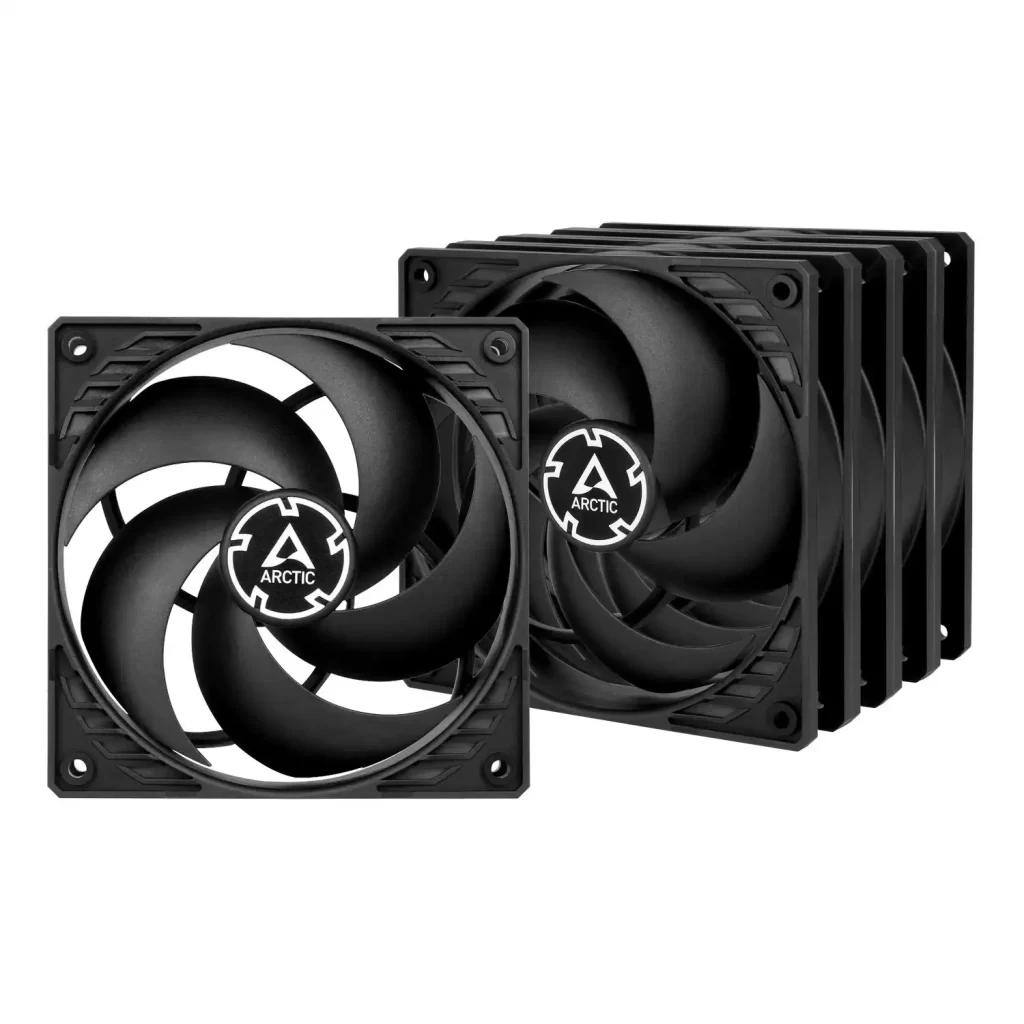
This proactive approach to cooling minimizes the need for manual adjustments and promotes automation in thermal management systems. Noise reduction is another advantage of PWM fan speed control. By allowing the fan to run only as fast as needed, rather than at full speed continuously, these systems effectively lower acoustic output. This is especially beneficial in noise-sensitive environments like offices, pwm fan meaning medical equipment rooms, or home workstations. The result is a quieter operation that does not compromise cooling efficiency, thereby improving the user experience and comfort levels in such spaces. PWM cooling fans also contribute to energy savings, making them an environmentally conscious choice. Since they only operate at the speeds necessary for current cooling demands, power consumption is significantly reduced compared to fans that operate at a constant high speed.
This reduction in energy use not only cuts operational costs but also contributes to lower carbon footprints, aligning with sustainability goals in modern infrastructure and design. Reliability and longevity are further reinforced through PWM technology. By minimizing wear and tear caused by excessive or unnecessary fan operation, the overall lifespan of the fan and associated components is extended. The thermal sensors and controllers that guide PWM fans ensure consistent monitoring, preventing both overheating and overcooling, which can degrade performance and hardware integrity over time. PWM cooling fans represent a sophisticated, efficient solution for automated fan speed control. Their ability to adapt in real time to thermal changes ensures that cooling is both effective and resource-conscious. With advantages ranging from noise reduction and energy efficiency to improved system reliability, acdcfan fans are becoming an essential component in both consumer and industrial-grade equipment, setting a new standard for intelligent thermal management.