
Precision Engineering Reaches New Heights Through Automated Machine Capabilities
CNC machining stands as a cornerstone of modern manufacturing, renowned for its ability to deliver precise, consistent results across a wide range of applications. One of the primary advantages of CNC machining is its capacity to achieve tight tolerances, a critical factor in industries where precision is non-negotiable. Whether producing intricate aerospace components, medical devices, automotive parts, or complex molds, CNC machines provide a level of accuracy that manual machining often struggles to match. This precision arises from the automated nature of CNC technology, which relies on computer-controlled movements to execute design specifications exactly as programmed. As a result, manufacturers can confidently produce parts with dimensions held within fractions of a millimeter, ensuring that each component fits perfectly and functions as intended. Beyond accuracy, CNC machining is also valued for the exceptional surface finish it can consistently deliver. The smoothness and quality of the finished surface play a vital role in both the performance and aesthetics of the final product.
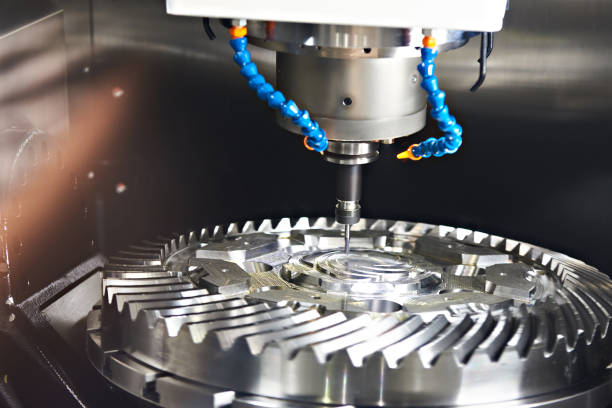
High-quality surface finishes can reduce friction, improve wear resistance, and enhance the overall durability of parts. Additionally, a refined finish often eliminates the need for secondary processes such as polishing or grinding, saving both time and cost in production. CNC machines achieve this superior finish by controlling cutting parameters such as feed rate, spindle speed, and tool path with remarkable precision. Advanced tooling materials and coatings further contribute to the machine’s ability to maintain sharp cutting edges, producing clean cuts without burrs or rough textures. The repeatability of CNC machining is another key factor that contributes to its widespread adoption in production environments. Once a program is created and optimized, it can be used to produce thousands of identical parts with minimal variation. This repeatability is crucial for maintaining quality standards across large production runs and reduces the risk of human error that can occur in manual machining processes. It also allows manufacturers to scale their operations efficiently, meeting demand without compromising on the quality of each unit. Furthermore, precision machined parts suppliers are capable of running unattended for extended periods, increasing productivity while maintaining consistent output.
Material versatility is another strength of CNC machining, as it can work with a broad spectrum of metals, plastics, and composites. This flexibility allows manufacturers to choose the best material for their specific application without worrying about compatibility with machining processes. Whether working with tough metals like titanium and stainless steel or delicate plastics, CNC machines adjust their parameters accordingly to achieve the desired precision and finish. The adaptability of CNC machining combined with its ability to hold tight tolerances makes it suitable for industries that demand rigorous quality control and compliance with strict regulatory standards. Additionally, Uneed CNC machining supports complex geometries that would be difficult or impossible to achieve with traditional machining methods. The computer-controlled system can execute intricate tool paths, multiple axis movements, and detailed cuts with ease. This capability enables the production of parts that meet highly specialized requirements and tight design constraints. It also opens up opportunities for innovation in product design, allowing engineers to push boundaries and create components that improve performance and reduce weight.