Day: September 13, 2024

Crafting with Precision – The Best Tools for Glass Fusing

Crafting with precision in glass fusing involves selecting the right tools to ensure that every piece is executed with skill and accuracy. Glass fusing, a process that involves melting glass pieces together in a kiln to create a single, unified piece, demands a careful approach. The tools used in this art form play a crucial role in achieving clean lines, precise shapes, and well-fused surfaces. One of the most fundamental tools in glass fusing is the glass cutter. A high-quality glass cutter with a carbide wheel is essential for making clean, accurate cuts in glass sheets. The cutter’s ability to score the glass properly determines how well it can be broken along the scored line. For intricate designs, a cutter with an adjustable head allows for greater control and precision, ensuring that each piece of glass fits perfectly into the intended pattern. Another vital tool is the glass grinder. This tool is used to smooth and refine the edges of glass pieces after they have been cut.

A glass grinder typically comes with a range of grinding bits that vary in coarseness, allowing for detailed finishing work. The grinder’s diamond-coated bits are especially effective for achieving a smooth, even surface, which is crucial for a seamless fusion. For fine detail work, a small, flexible bit can be used to handle intricate designs and curves. Kiln tools are equally important in glass fusing. The kiln is the heart of the fusing process, and its performance greatly affects the final outcome. Kiln shelves, also known as kiln furniture, support the glass pieces during firing. They need to be made of materials that can withstand high temperatures without warping or contaminating the glass. Additionally, kiln wash, a refractory coating applied to kiln shelves, prevents the glass from sticking to the shelves and ensures a clean release after firing. After scoring glass with a cutter, pliers help to break the glass cleanly along the scored line.

There are various types of glass pliers, each designed for specific tasks, such as breaking small pieces or larger sections. Selecting the right pliers for the job ensures that glass pieces are broken without additional stress or cracking. For accurate measurements and alignment, a ruler and a pair of tweezers are useful. A steel ruler provides precise measurements for cutting glass, while tweezers help in placing small pieces of glass accurately. The use of tweezers reduces the risk of fingerprints and smudges on the glass, maintaining its clarity and ensuring a polished final product. In addition to these tools, protective gear is essential for safety during glass fusing. Safety glasses protect the eyes from glass shards and dust, while gloves provide protection against sharp edges and high temperatures and read more here https://hollanderfusingcenter.com/collections/fusing-supplies.
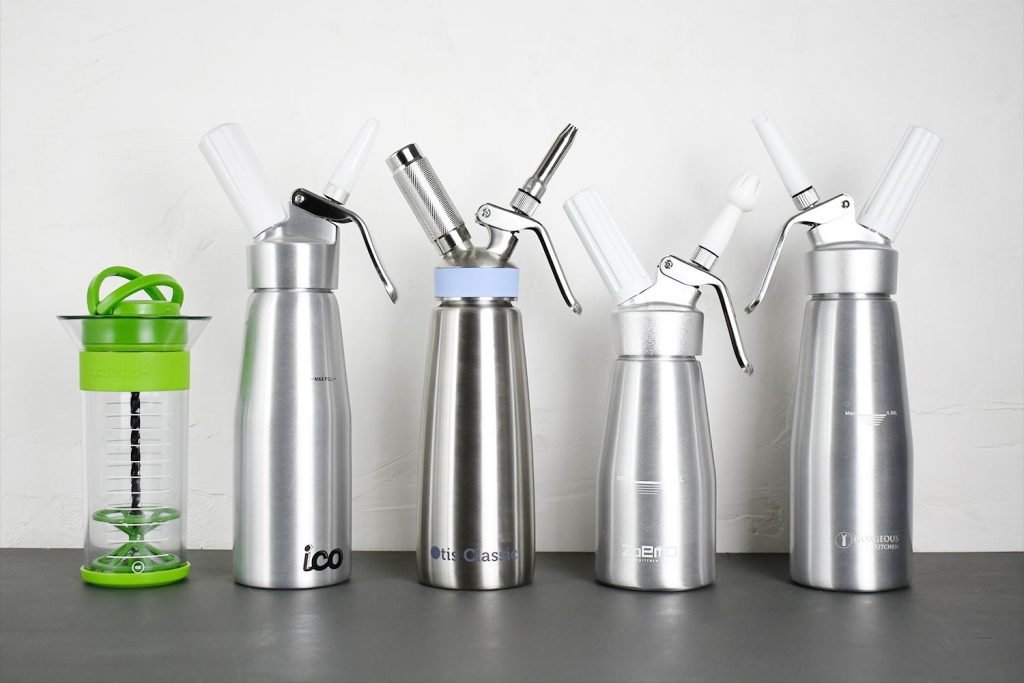
How Nitrous Oxide Elevates Whipped Cream from Ordinary to Extraordinary

Nitrous oxide, often referred to as laughing gas, has a serious role when it comes to culinary applications, particularly in the making of whipped cream. This colorless, non-flammable gas has the unique property of dissolving easily into fatty substances, which makes it an ideal companion for transforming ordinary cream into the light, fluffy delight we recognize as whipped cream. When making whipped cream at home or in a professional kitchen, nitrous oxide is typically used in a canister, which is then inserted into a whipping siphon. The process is surprisingly simple yet fascinating from a scientific perspective. The siphon is filled with heavy cream, often sweetened and flavored with vanilla or other extracts. Once the nitrous oxide is released into the siphon, it permeates the liquid cream, creating a uniform dispersion of the gas throughout the substance. This is where the magic happens – the nitrous oxide, under pressure, interacts with the cream, causing the fat molecules to coagulate and trap the gas within. This process significantly increases the volume of the cream, creating the characteristic fluffy texture of whipped cream.

Whipped Cream

One of the key reasons nitrous oxide is preferred over mechanical whipping or other gases is its stability and the way it preserves the integrity of the cream. Mechanical whipping, for instance, can introduce too much air, leading to a product that is over-whipped and more susceptible to separation. On the other hand, nitrous oxide creates micro-bubbles within the cream, ensuring that the whipped cream maintains a stable structure and does not collapse quickly. Moreover, it prevents the cream from turning into butter, which is a risk with prolonged mechanical whipping. This method not only saves time but also allows for greater control over the consistency of the whipped cream. Chefs and food enthusiasts can achieve a perfect whipped cream every time, with a uniform texture that is difficult to replicate with traditional methods. Additionally, the use of a siphon and nitrous oxide allows for flavored whipped creams to be made easily.

By infusing the whip it bottle with various flavorings such as coffee, cocoa, or even herbs, and then whipping it with nitrous oxide, a myriad of flavored whipped creams can be created in seconds. Nitrous oxide also has an advantage in presentation. Whipped cream made with this method can be dispensed directly from the siphon in beautiful, intricate patterns, making it ideal for topping desserts, beverages, or even savory dishes. The texture is incredibly light and velvety, melting almost instantly on the tongue, which enhances the overall sensory experience of the dish. In conclusion, nitrous oxide elevates whipped cream from a simple topping to a sophisticated, versatile ingredient that enhances both the visual appeal and the taste of a dish. Its unique properties allow for precision, stability, and creativity in the kitchen, making it an indispensable tool for anyone looking to make their culinary creations truly extraordinary.