
Advanced Data Analytics in Agriculture – The Essential Role of LIMS Solutions
Recently, the agriculture industry has become going through installing obstacles caused by a swiftly growing global human population, climate change, and the need for sustainable methods. In response to such difficulties, technology has grown to be an indispensable resource for contemporary farmers. Laboratory Information Management Systems LIMS, in the beginning designed for the technological community, have discovered an exclusive and transformative position in agriculture. LIMS has shown to be a versatile and potent device, revolutionizing crop defense, research, and total farm management. This short article looks at the versatility of LIMS in agriculture and its considerable effect on the industry.
LIMS for Crop Safety:
Crop protection is really a critical aspect of present day agriculture, as farmers attempt to shield their plants from insects, diseases, and environmental tensions. LIMS assists in crop security through providing accurate and timely data analysis and management. By integrating data from various sources, including industry sensors, satellite images, and weather forecasts, LIMS makes it possible for specific and positive decision-making. Furthermore, LIMS performs a critical position in pesticide and herbicide management. It guarantees adherence to regulatory suggestions and keeps track of the utilization of agrochemicals, reducing environmental influence and stopping the introduction of pesticide-tolerant pest infestations. By optimizing the application of chemicals, farmers are effective in reducing production fees and maintain environmental equilibrium.
Analysis Advancements:
Research and improvement are essential to sustainable agriculture. LIMS facilitates seamless collaboration between scientists, agricultural experts, and farm managers. It streamlines data sharing, speeds up data processing, and assures the reproducibility of investigation discoveries. In agricultural analysis, LIMS helps in genotype and phenotype analysis. By controlling large datasets of hereditary information, LIMS permits the recognition of genes associated with appealing qualities, creating the creation of far more tough and productive crop types. Moreover, LIMS automates phenotypic data selection, such as growth rates and sickness opposition, encouraging the invention of new crop management methods.
Farm Management and Automation:
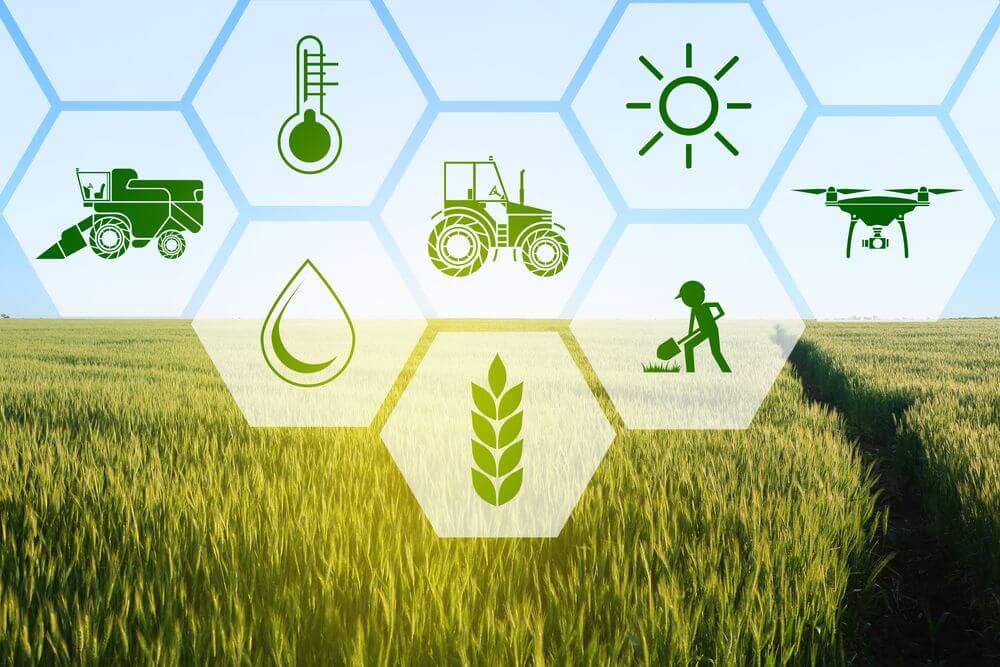
LIMS has expanded above classic laboratory settings, getting software in farm management and automation. Using the coming of the net of Issues IoT and smart farming technologies, LIMS incorporates data from attached products, such as drones and soil sensors. This real-time data helps farmers monitor plants, soil circumstances, and livestock health, making certain ideal useful resource allocation. The automation abilities of LIMS boost precision agriculture methods. Programmed data selection and analysis let the implementation of web site-certain farming methods. By tailoring irrigation, fertilization, and pest control towards the certain demands for each field or perhaps sub-discipline, farmers can increase productivity when decreasing waste.
Traceability and Quality Assurance:
In an age where by consumers require openness and safety in food production, LIMS provides a powerful framework for traceability and quality confidence. From farm to fork, LIMS tracks each and every phase from the supply chain, recording crucial information such as seed beginning, cultivation methods, and article-harvest therapies. By making certain compliance with food safety restrictions and quality requirements, Laboratory Information Management System can handle farmers in obtaining premium marketplaces and attaining a competitive edge and go here. The opportunity to supply thorough information concerning the production process fosters buyer have confidence in, thereby raising the value of agricultural products.